The parcel book, off the desk.
Every delivery to the building goes through one counter and gets written on one line. The Parcel keeps that line — and finds it again in a second, with a queue of residents waiting.
Every delivery to the building goes through one counter and gets written on one line. The Parcel keeps that line — and finds it again in a second, with a queue of residents waiting.
The cost is all at pickup, with someone standing in front of you.
A resident asks whether anything arrived. The officer turns pages looking for an apartment number that may have been written three different ways, while the next person waits.
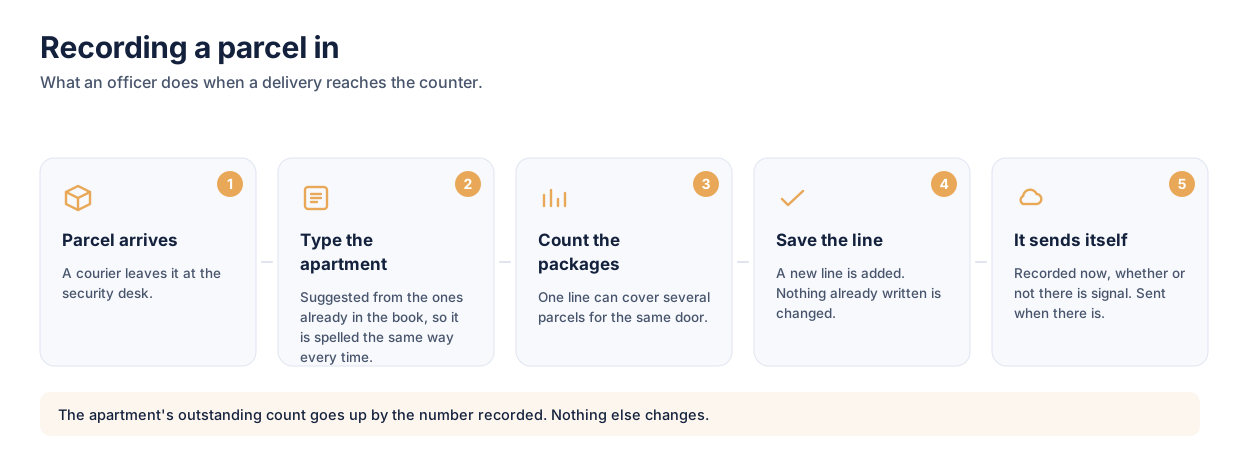
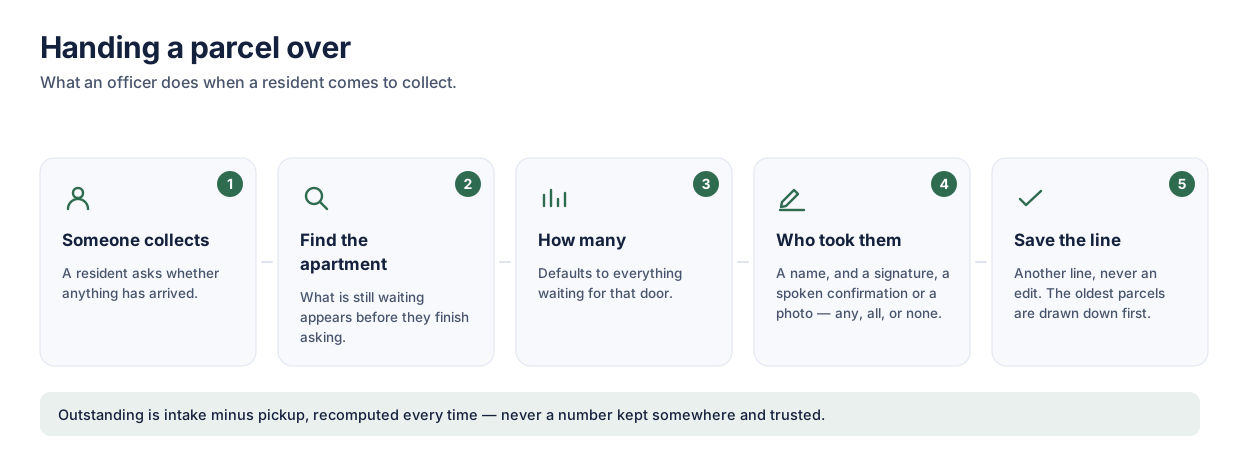
The apartment is suggested from the ones already in the book, so it is spelled the same way every time. What is outstanding is on screen before the resident has finished asking.
Every decision here came from the same place: one hand is holding a parcel, and the person in front of you is waiting.
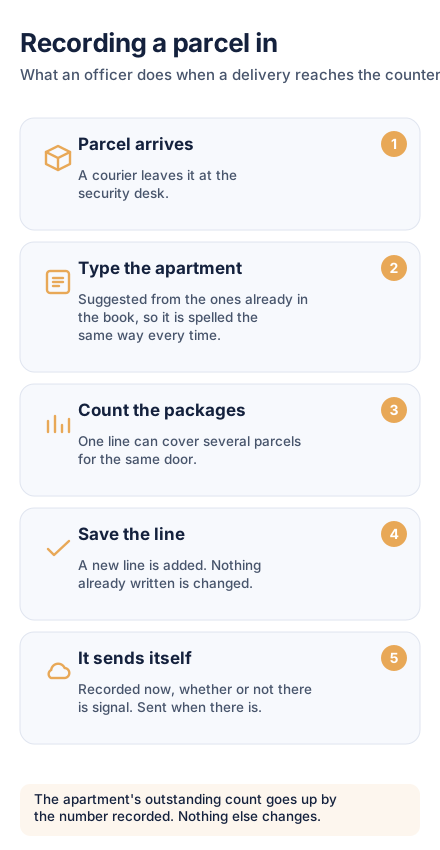
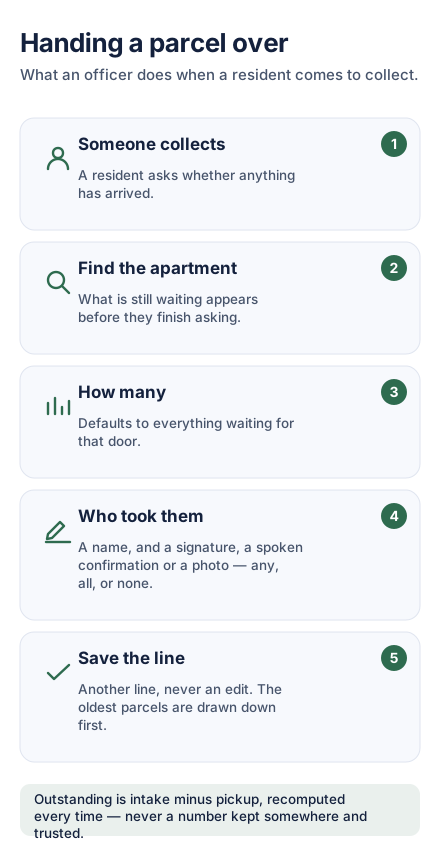
The book lives on the device. A basement mail room with no bars records intake and pickup exactly as normal, and catches up when it can.
Intake and pickup are both append-only. A mistake is corrected by recording the correction, so the book still shows what was written and who changed it.
Only officers use the app. A line carries an apartment number, not a person — nothing about a resident is stored, so nothing about them can leak.
Optional at pickup, captured on the screen, and kept with the line. It works offline like everything else.
Adding an officer is a QR code, eight characters read aloud, or a link. One invite, single use, expiring after four hours.
Per device, not per building — two officers sharing one book can each read it in their own language. Exported reports follow suit.
Export an apartment's whole history as a PDF — every intake, every pickup, and the running balance between them. Timed on the desk's own clock rather than on whoever happens to be printing it.
| When | What | Qty | Balance |
|---|---|---|---|
| 05/08 09:14 | Intake | +3 | 3 |
| 06/08 18:02 | Pickup · signed | −2 | 1 |
| 07/08 11:40 | Intake · struck out | +1 | 1 |
| 08/08 20:55 | Intake | +2 | 3 |
A struck-out line is still printed. It is part of what happened, and a record that quietly loses its corrections is not evidence of anything.
Install it, create the log book, and hand the next officer an invite. Nothing else to set up.